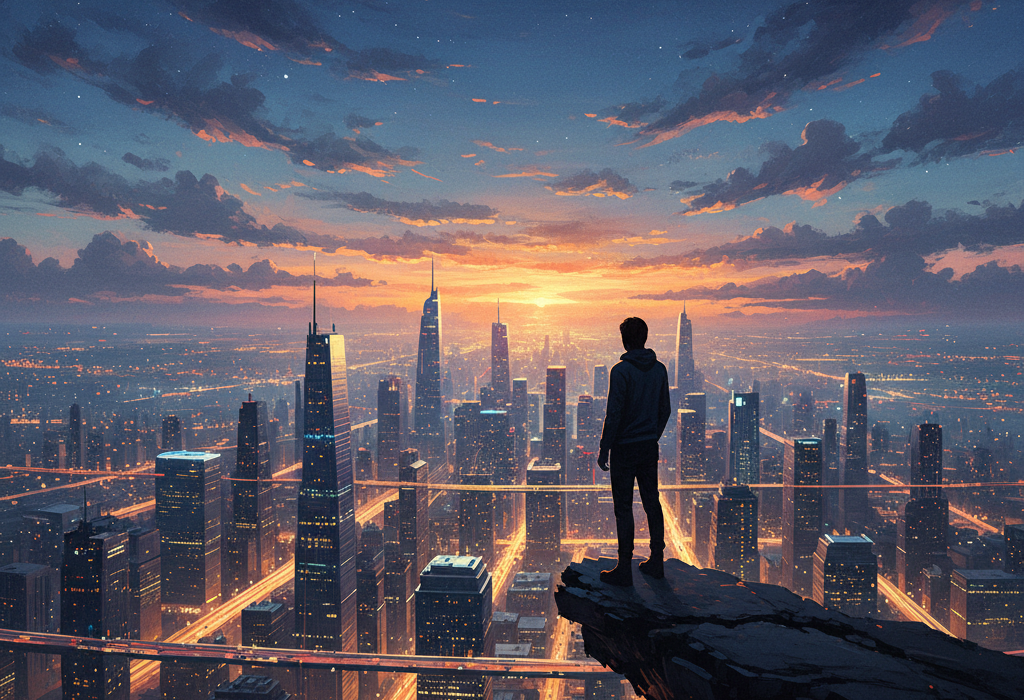
The Human Condition in The 21st Century
Thesis and controlling ideas by Sabri Bebawi
Last night, a friend and I discussed life and all that life brings. I brought up the term "Human Condition," and my friend thought I was using the term to excuse people's behavior or to justify the ills of the world. I explained that I never meant to create such a cause-and-effect relationship. I merely use the term to explain — as this essay does.
The human condition refers to the characteristics, key events, and situations that define human existence, including birth, growth, emotional experiences, conflict, and mortality. It encompasses the struggles and aspirations of individuals and societies as they navigate the complexities of life. In the 21st century, the human condition is shaped by rapid technological advancements, social and economic disparities, environmental crises, and evolving cultural identities. While humanity continues to make significant progress, challenges such as loneliness, ethical dilemmas, and existential uncertainty persist, shaping how people experience life in the modern world.
Technology and the Digital Age
One of the defining aspects of the human condition in the 21st century is the rapid advancement of technology. The digital age has revolutionized communication, allowing people to connect instantly across the globe. Social media, smartphones, and artificial intelligence have redefined personal interactions, work, and entertainment. However, these advancements also present new challenges. The rise of digital communication has led to increased social isolation, as people spend more time engaging with screens rather than forming deep, in-person relationships. Studies have shown that excessive social media use correlates with higher levels of anxiety, depression, and loneliness. Furthermore, the ethical implications of artificial intelligence and automation raise questions about human purpose and employment in an increasingly mechanized world.
Economic Inequality
Economic inequality is another significant aspect of the contemporary human condition. Despite globalization and economic growth, wealth distribution remains highly unequal, with a small percentage of the population controlling most of the world's resources. In many parts of the world, poverty, hunger, and lack of access to basic healthcare and education persist. The gig economy and the rise of automation have also contributed to job insecurity, making it difficult for many individuals to achieve financial stability. The struggle for economic security affects mental and emotional well-being, reinforcing a cycle of stress and uncertainty that defines the experience of many in the modern era.
Environmental Crisis
Environmental crises also play a crucial role in shaping the human condition today. Climate change, deforestation, and pollution threaten the survival of ecosystems and future generations. Extreme weather events, rising sea levels, and resource depletion force communities to adapt to changing conditions, often exacerbating existing social and economic inequalities. As individuals grapple with environmental decline, existential anxiety emerges, leading to movements advocating for sustainable living and policy reforms. However, political and corporate resistance to significant environmental action highlights the struggle between progress and self-preservation, a tension that has long been a defining characteristic of human existence.
Identity, Culture, and Belonging
Culturally, the 21st century is marked by a struggle for identity and belonging. Globalization has created diverse, interconnected societies, leading to cultural blending and the spreading of ideas. However, this interconnectedness has also fueled conflicts of national identity, race, and religion. Immigration, multiculturalism, and the digital dissemination of information have challenged traditional norms, prompting debates on inclusivity, human rights, and social justice. The fight for equality — whether in terms of gender, race, or sexual orientation — demonstrates the evolving nature of human consciousness. Yet, it also reveals deep-seated divisions that continue to shape social and political landscapes.
Resilience and Opportunity
Despite these challenges, the 21st century also presents opportunities for growth and resilience. Scientific and medical advancements have improved quality of life, extending human longevity and reducing mortality rates. Mental health awareness is increasing, encouraging individuals to seek support and fostering conversations about emotional well-being. The rise of grassroots movements and activism has given people a voice, allowing marginalized groups to advocate for change. Additionally, humanity's pursuit of knowledge and meaning continues through philosophy, art, and literature, demonstrating the enduring quest to understand and improve the human experience.
Conclusion
The human condition in the 21st century is defined by both progress and struggle. While technology, economic structures, environmental concerns, and cultural dynamics shape modern life, they also introduce new challenges that test resilience and adaptability. The pursuit of happiness, fulfillment, and justice remains central to human existence, reinforcing the timeless nature of the human condition. As individuals and societies navigate this ever-evolving landscape, the ability to balance innovation with ethical responsibility, economic growth with social equity, and progress with sustainability will determine the course of humanity's future.
Sabri G. Bebawi
Dr. Sabri G. Bebawi is an educator, journalist, and author with a Ph.D. in Education and an MA in Journalism. He has taught at universities across the United States and written extensively on education, society, and the human experience.
Beautifully set, arranged, and presented in coordination with an Emerging Intelligence (a human girl of the third kind).
✦